Uncertainty be damned: Building the future of complex care together
Wrapping up Putting Care at the Center 2026
Building the complex care field Community & consumer engagement Convening
If last year's catchphrase was ‘you are not alone,’ this year, I hope your catchphrase is ‘uncertainty be damned.’
In 2025, Putting Care at the Center opened with a simple and deeply impactful message to attendees: Amidst the unpredictability and cruelty unfolding around us, you are not alone. A year later, Camden Coalition CEO Kathleen Noonan took that message one step further as she opened the 2026 conference.
If last year's catchphrase was ‘you are not alone,’ this year, I hope your catchphrase is ‘uncertainty be damned.’
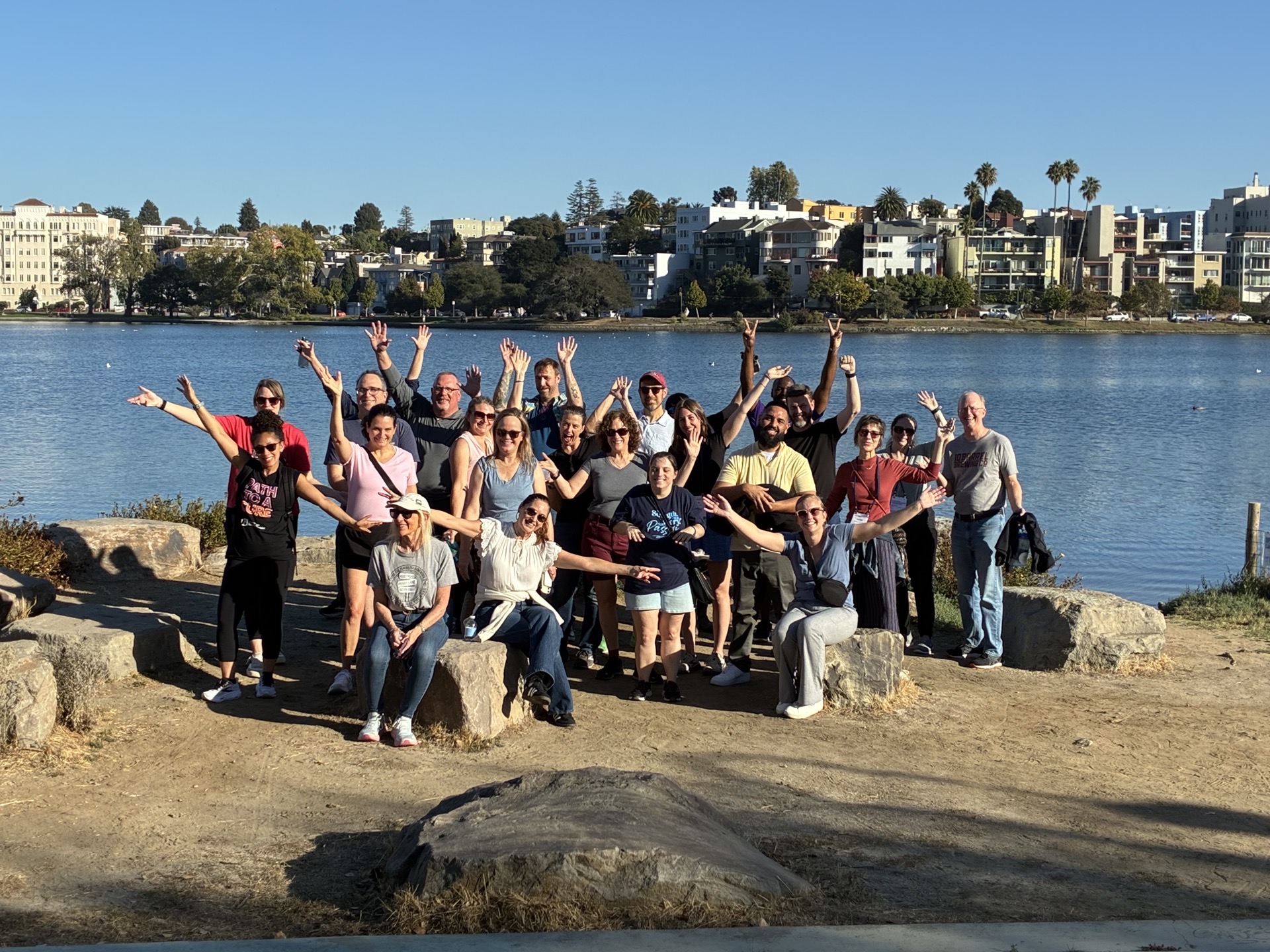
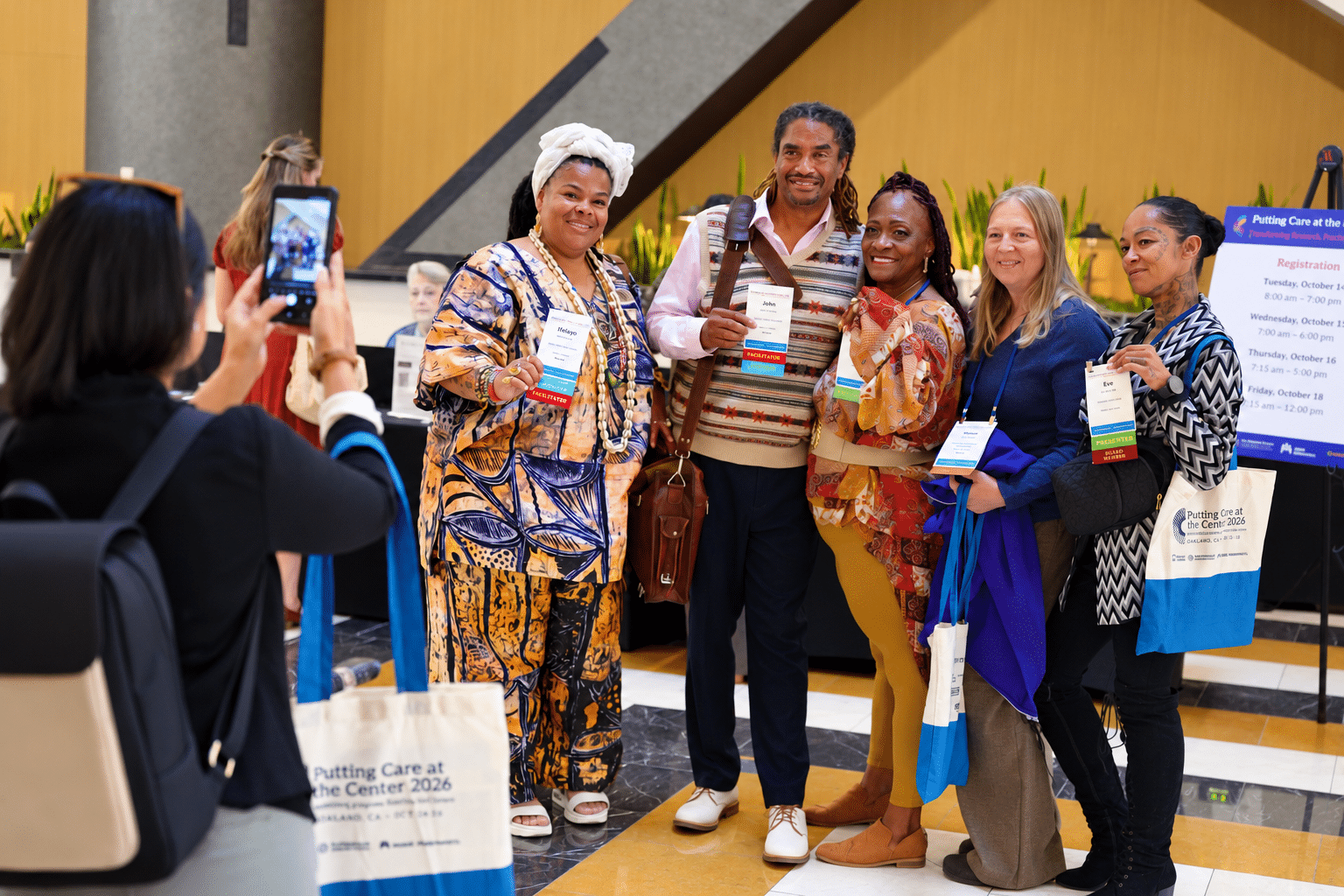
From October 14-16, almost 800 leaders, practitioners, and community members gathered in Oakland, California, for three days of learning, connection, and imagining what comes next for the complex care field. The conference theme, Sustaining progress, building our future, acknowledged the challenges ahead — from sweeping Medicaid changes to growing pressure on community-based organizations and residents themselves — while challenging attendees to keep moving forward.
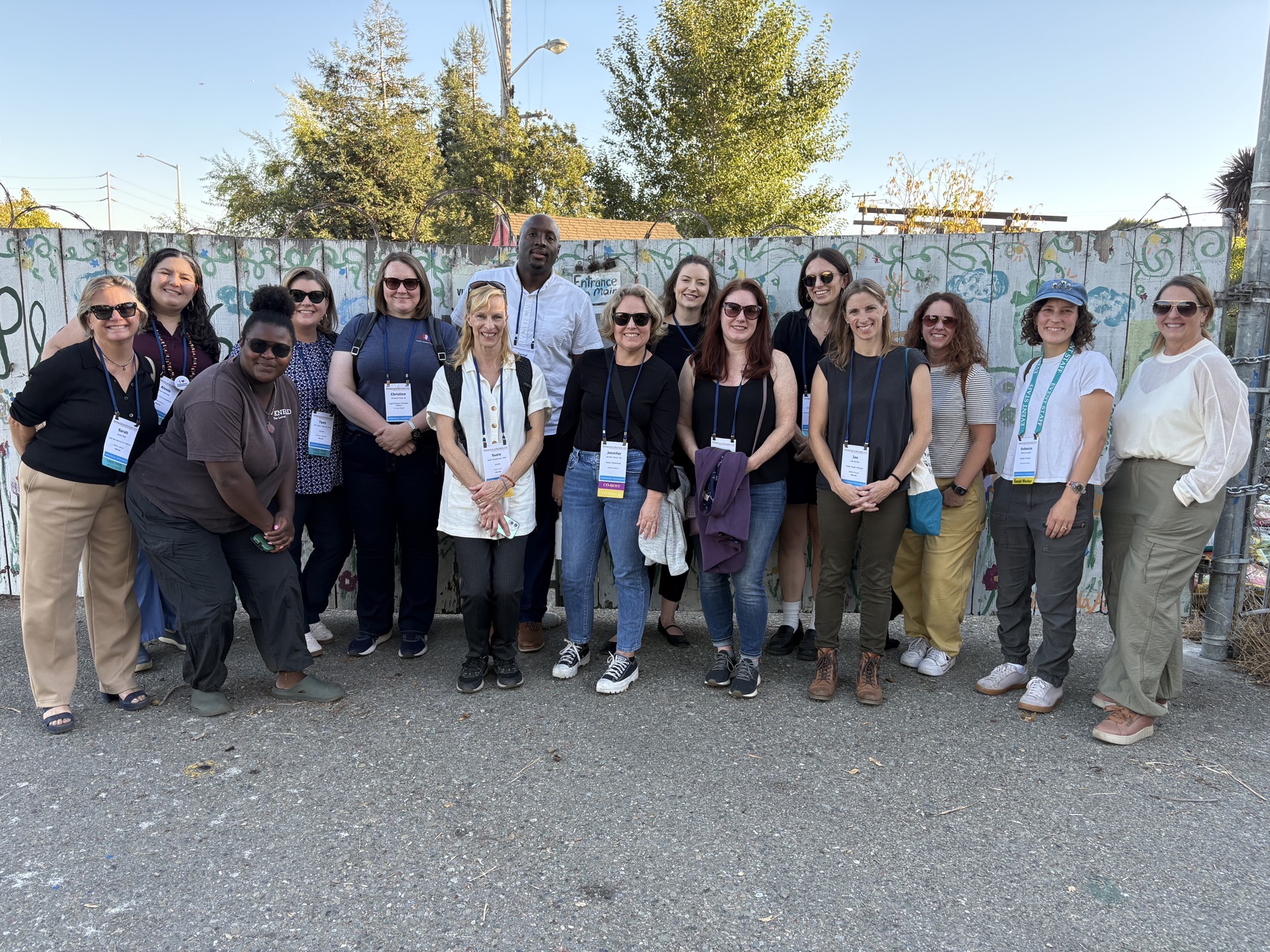
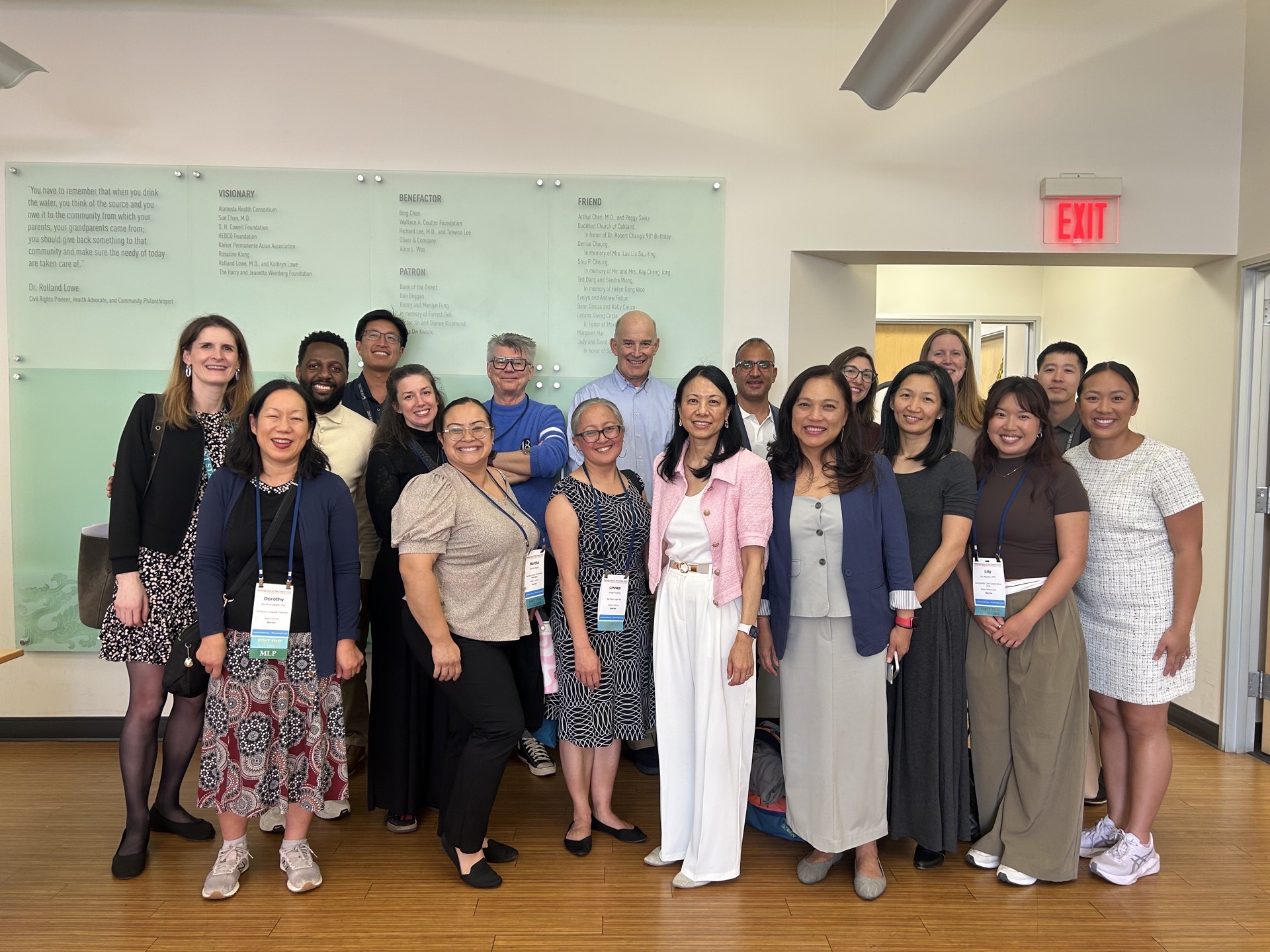
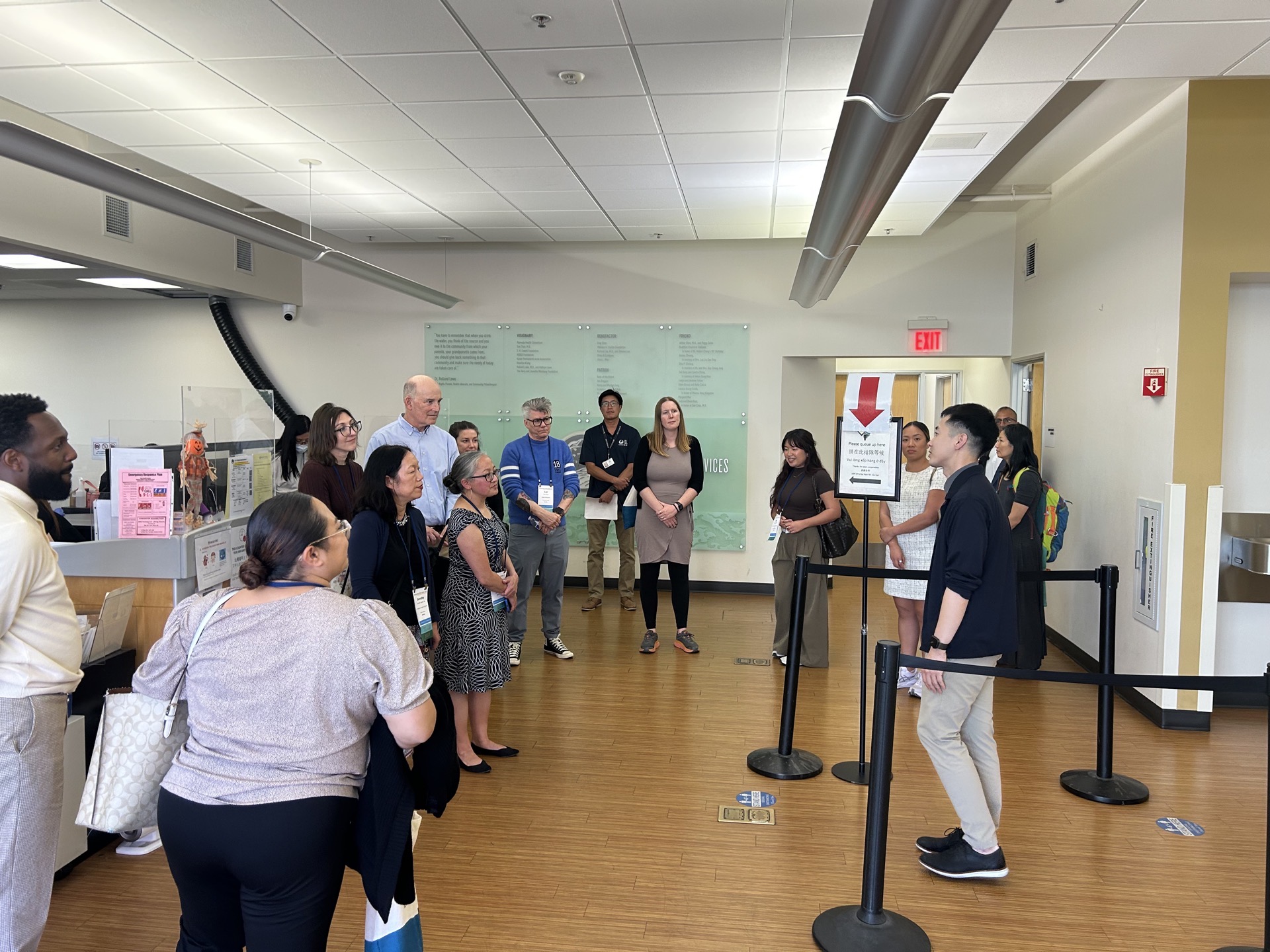
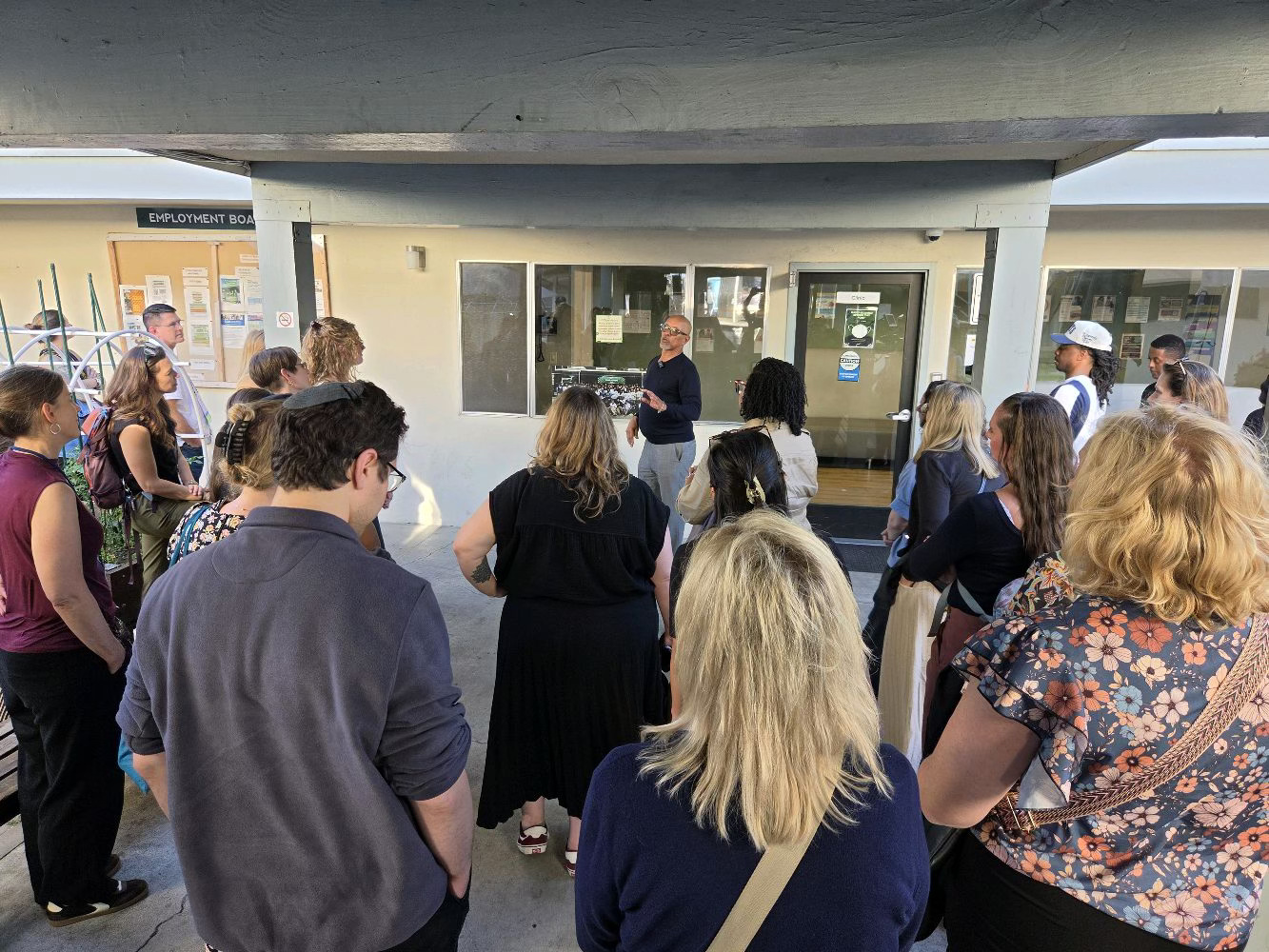
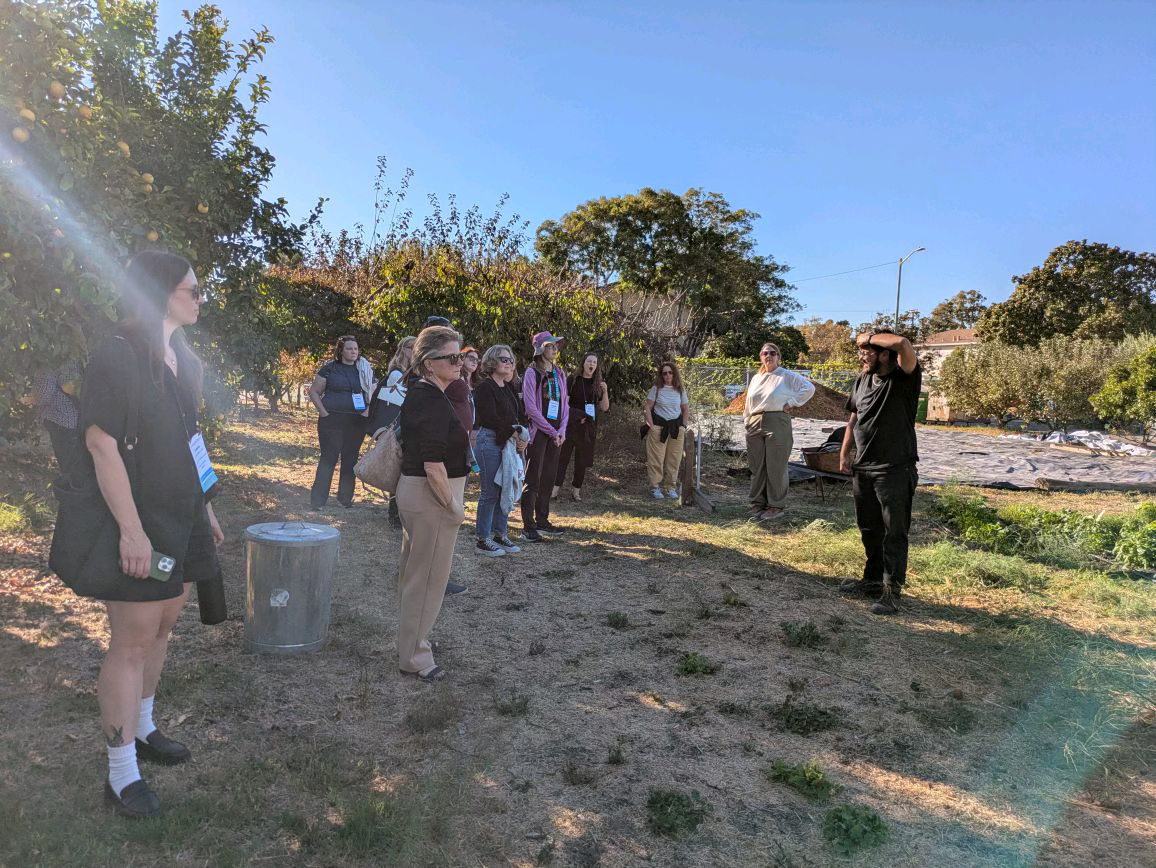
Conference attendees shared practical approaches, strengthened partnerships, and connected with others committed to transforming care in their communities. Before the conference even began, over 300 people attended one of ten pre-conference options, including a two-day Complex Care Leadership Summit where peer teams rolled up their sleeves to help one another solve real problems in their complex care work. In addition to mainstage plenaries, attendees also explored these themes through workshops spanning eight tracks anchored by content partners, the Beehive — a science fair set-up of innovators in the field — and visits to local Oakland organizations. Across the conference, a common sentiment emerged:
Even in uncertain times, we have the knowledge, relationships, and collective power to build systems of care that better serve our communities. And we, as a community, are taking the long view on getting there.
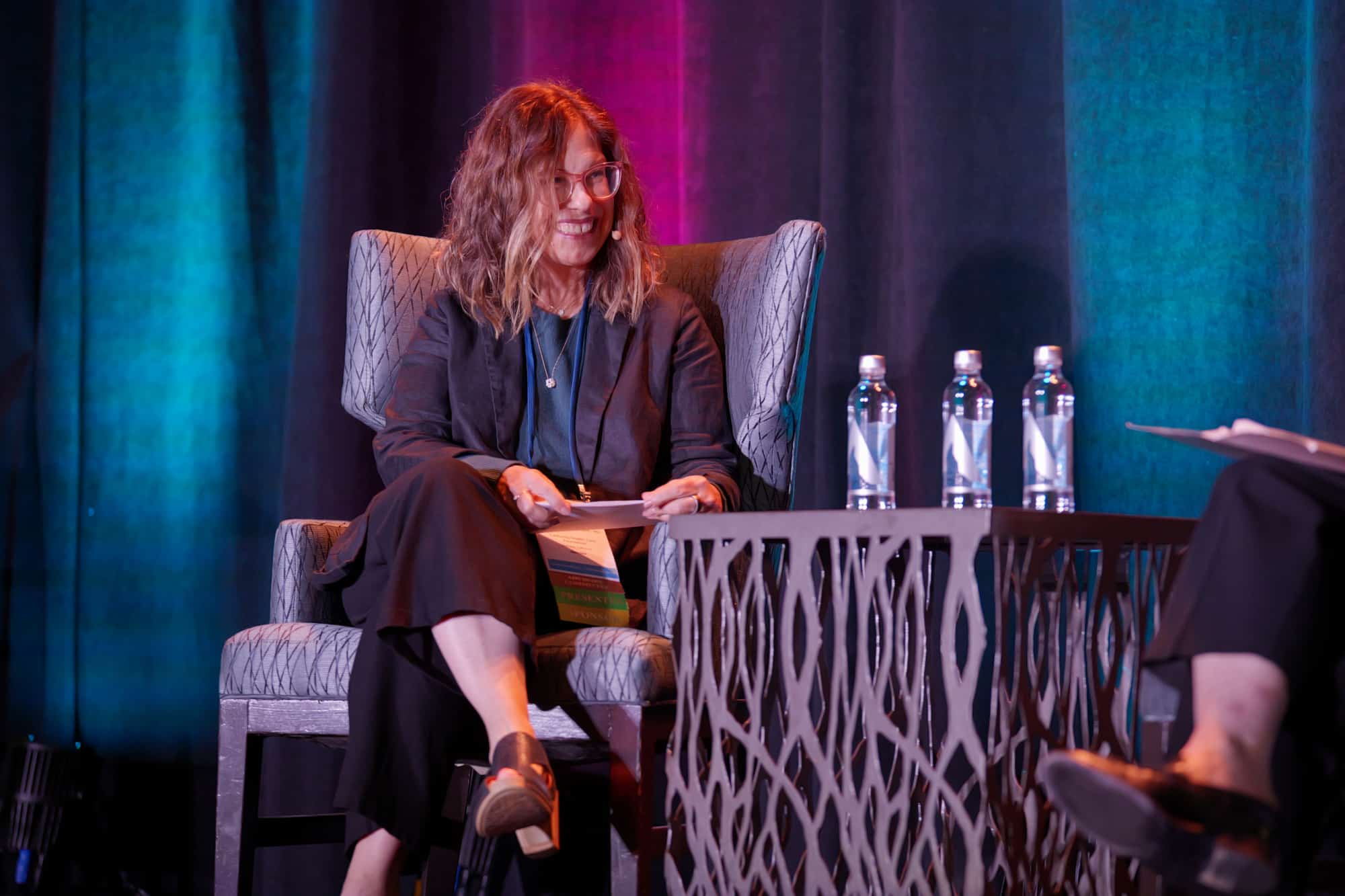
We can't afford to build systems that rely on luck.
Protecting what matters while building what’s next
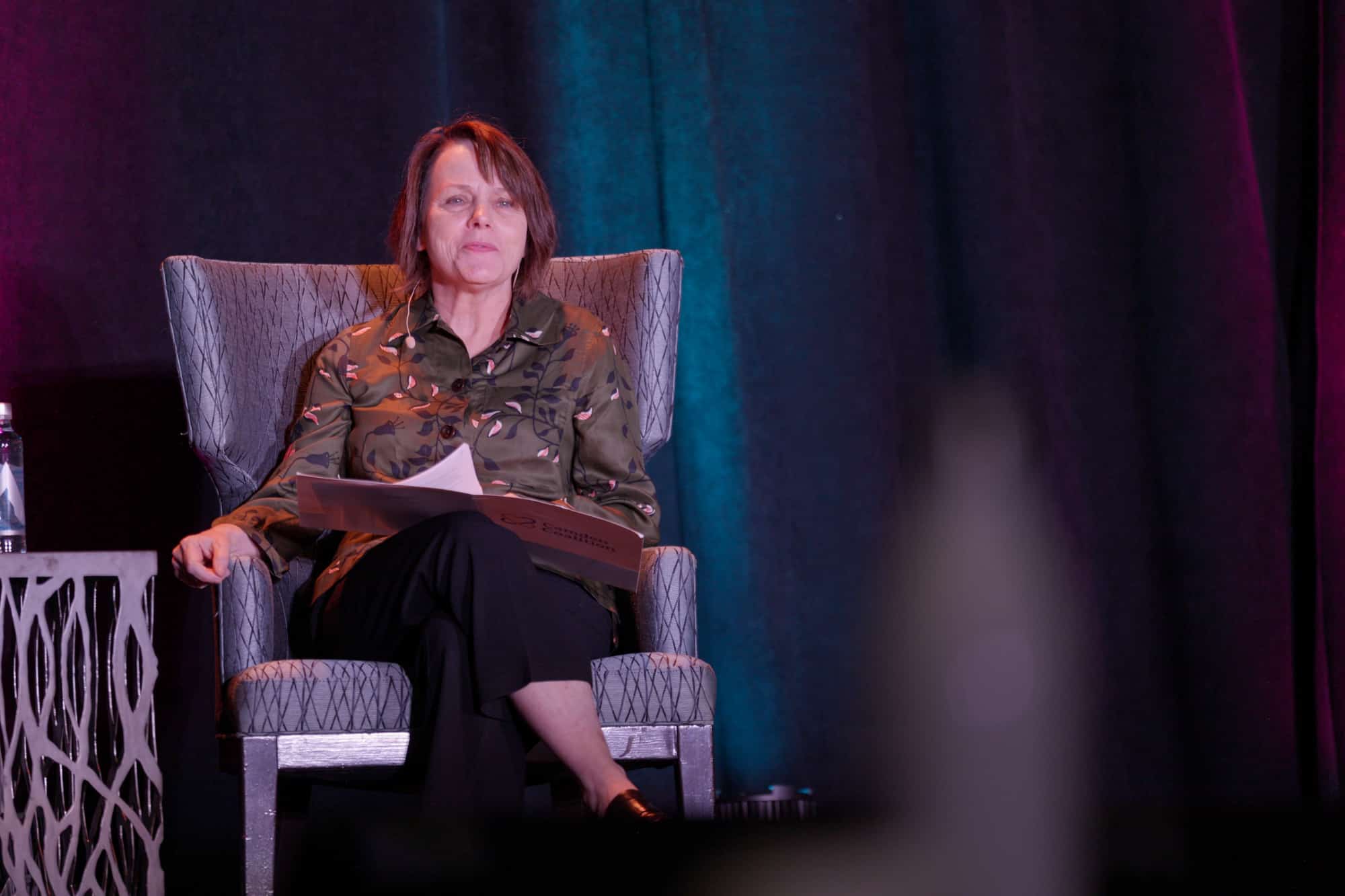
The urgency of this moment was front and center as speakers discussed the implications of H.R. 1 and the potential loss of Medicaid coverage for people with complex health and social needs. During the opening keynote, a fire-side chat between Camden Coalition CEO Kathleen Noonan and Dr. Michelle Schneidermann, Director of People-Centered Care at the California Health Care Foundation. Dr. Schneidermann shared the story of an unhoused patient with chronic health conditions and a schizophrenia diagnosis who was on the sex offender registry. A deeply committed and curious social worker took the time to understand him. Through her advocacy, they identified that he did not have schizophrenia, but instead a profound intellectual disability. This diagnosis provided additional context needed to revisit the sex offender case from when he was a teenager, which was eventually expunged from this record. This legal change opened up a world of housing for him, helping to stabilize his health and allowing him to flourish and pursue his love of music. Too often, effective care depends on encountering the right person at the right time and, Dr. Schneidermann cautioned, “We can’t afford to build systems that rely on luck.” As resources shrink, she urged attendees to protect not only medical services, but the community supports and relationships that make those services effective.
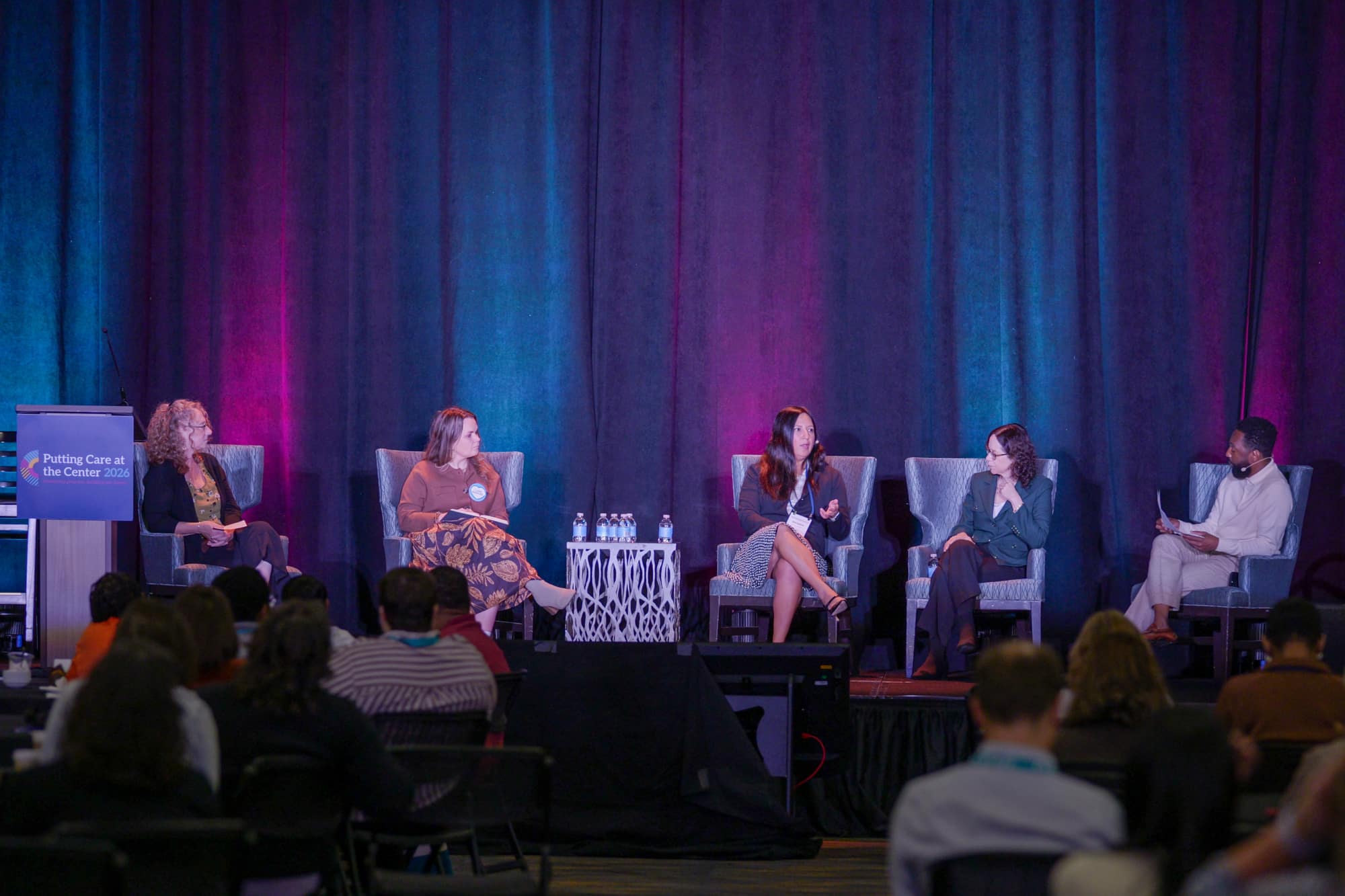
That concern carried into Thursday’s plenary, HR1 and the future of complex care, moderated by Camden Coalition Executive Vice President and Chief Program Officer, Victor Murray. Panelists Julie Silas of Homebase, Kinda Serafi of Manatt, Camden Coalition Board Member and Protect Medicaid Utah advocate Stephanie Burdick, and Veronica Carpenter of CalOptima discussed how new work and administrative requirements will cause eligible people to lose coverage, endangering people with complex needs and further straining already struggling systems. “Consequences don’t stop with the person who loses coverage. Their needs don’t disappear or evaporate,” Murray said. “They show up somewhere else in the system.” Carpenter reminded attendees of their collective responsibility to raise the alarm about these consequences, saying, “The provider community, those who are seeing patients, and our members are critical to the storytelling of what a bad policy this is. You don’t balance federal and state budgets on the back of Medicaid and Medicaid recipients.” The conversation emphasized that, while the cruelty of these policy changes may feel overwhelming, we have a responsibility to organize in our communities, uplift trusted messengers, and invest in cross-sector partnerships to help people maintain access to care.
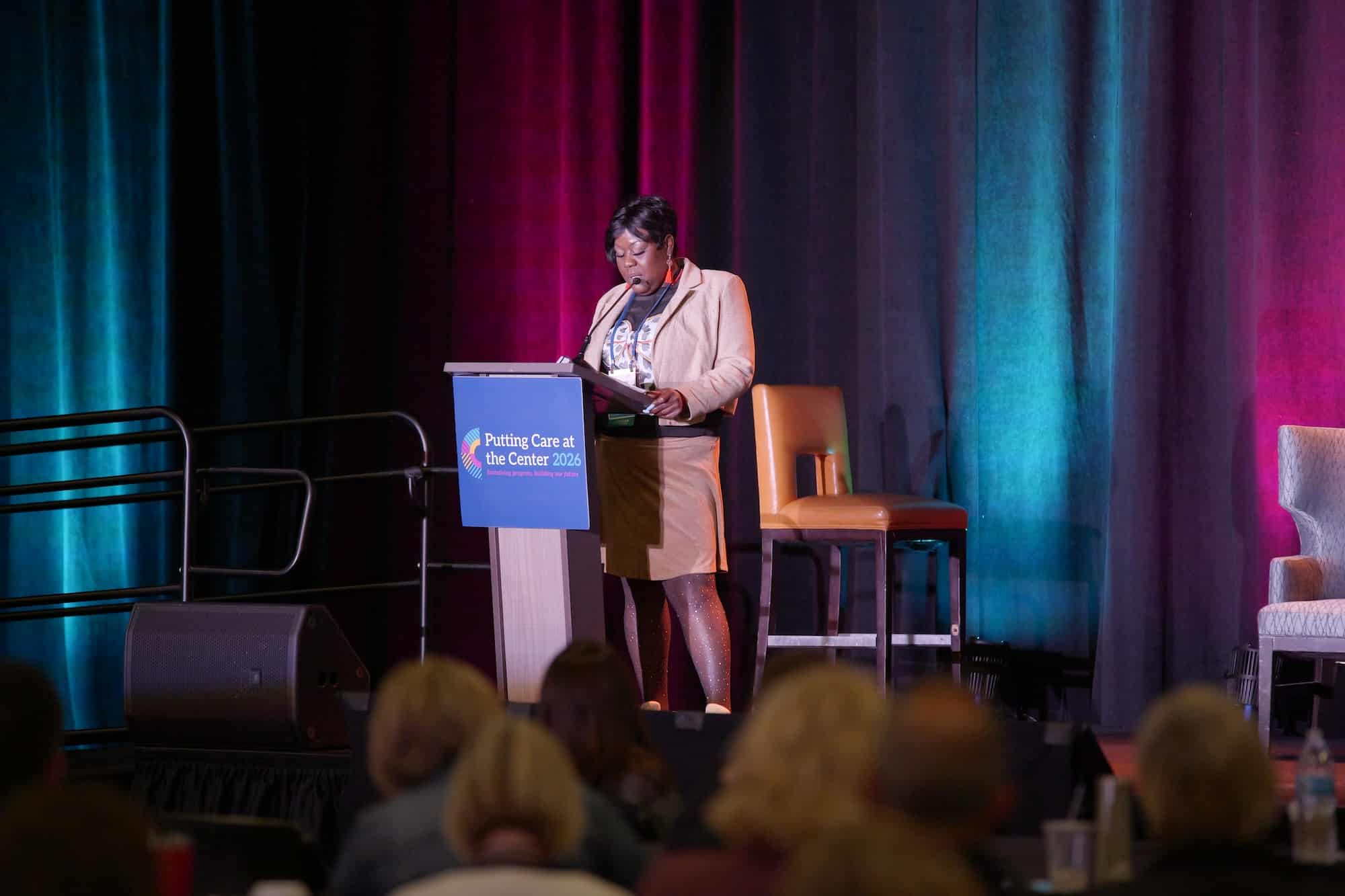
When I hear people talk about cutting medical benefits, I don't hear numbers on a piece of paper. I think about my grandmother, Annie, and other grandmothers with diabetes.
Imagining a different future
Building the future requires more than defending what already exists. It also requires imagining something better. That was the focus of What sustains us, what calls us forward, a storysharing session featuring Camden Coalition National Consumer Scholars and facilitated by Luis Ortega, Director and Founder of Storytellers for Change.
Karen Solomon Edwards started the session by describing how imagination helped her navigate living with complex medical conditions and undergoing dialysis. “As an adult with complex comorbidities, I used my imagination to survive,” she shared. She challenged attendees to look beyond surviving the present and ask what they want to build for the future. Loren Brown expanded on that vision, drawing on his lifetime of caregiving to imagine a future where care is a collective responsibility, rather than something that falls on individuals and families alone.
Quiana Mayo reminded attendees that envisioning better systems is not just a theoretical exercise, but one with real consequences for individuals and families. “When I hear people talk about cutting medical benefits, I don’t hear numbers on a piece of paper. I think about my grandmother, Annie, and other grandmothers with diabetes.” Her story connected the policy debates unfolding throughout the conference to the people whose lives are directly affected. Gail Smith, a nursing home resident and advocate, built on Quiana’s message, describing how her vision evolved from wanting systems of care that meet basic needs to imagining ones that reflect dignity, humanity, and joy. “We deserve not just a healthcare system that works, but one that we can be proud of. I dare even say we deserve one that we can call beautiful.”
Together, the National Consumer Scholars’ stories challenged attendees to think beyond fixing broken systems and consider what truly person-centered care could look like. Ortega asked attendees, “Do we talk about imagination and what we could build together? Or do we find ourselves, as we were reminded this morning, spending most of our time and most of our attention focused on the things that we’re fighting?” His question was a reminder that imagination, care, and community should shape not only how we respond to today’s challenges, but what we build for tomorrow.
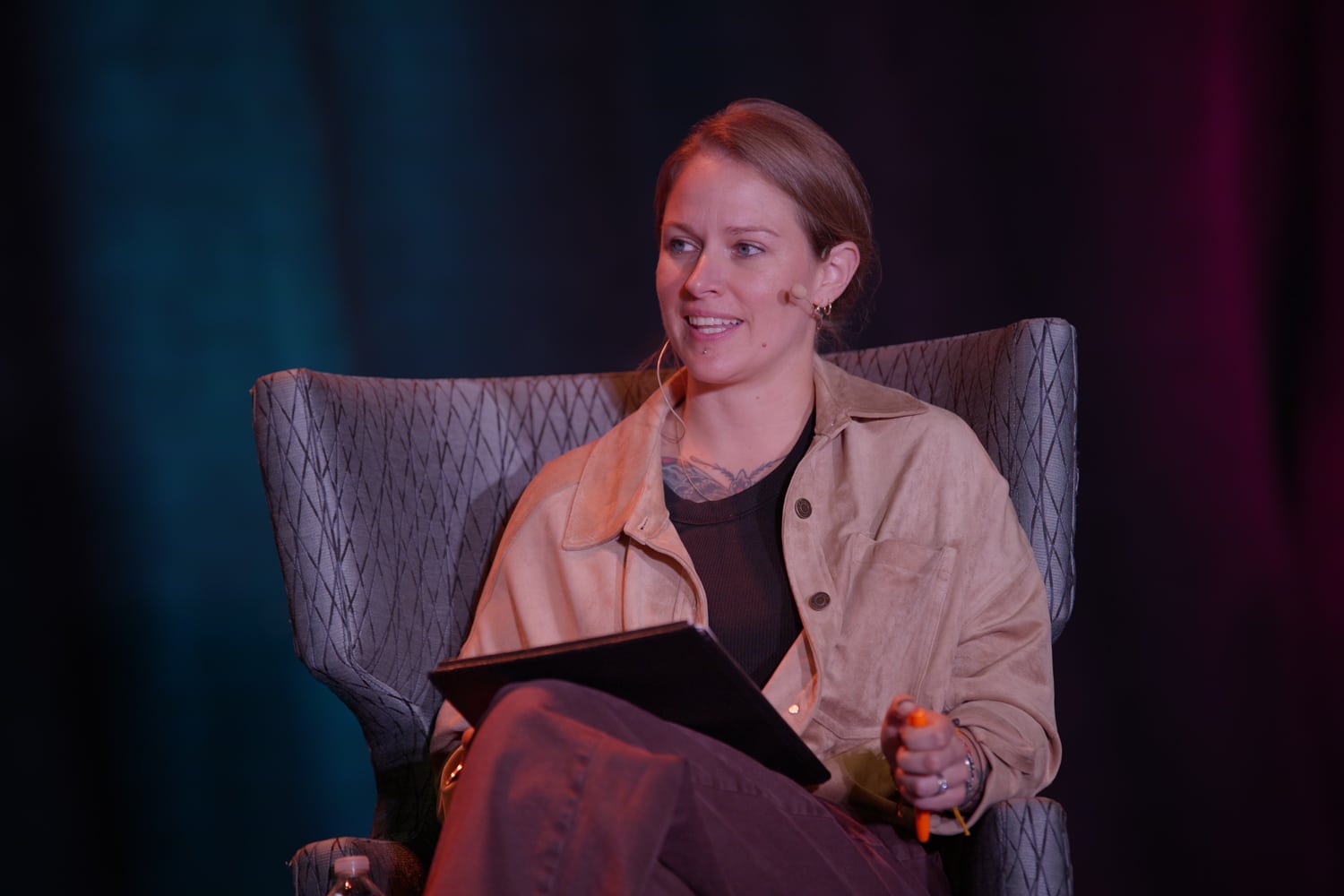
We can't and should not shift the burden of care to our CBOs. If we're going to treat them like health infrastructure, we need to compensate them as such.
Building systems that put communities first
Turning that vision into reality requires rethinking how we support the organizations and partnerships that make whole-person care possible. That was the focus of the closing plenary, The future of CBOs in Medicaid, moderated by Dr. Purva Rawal, Senior Advisor to the Camden Coalition and former Chief Strategy Officer at the CMS Innovation Center. Panelists Hannah Erickson of Impact Health, Dr. Anand Shah of Kaiser Permanente, and Helen Hannigan of The Cooperative explored how to sustain community-based care without losing the trust, relationships, and flexibility that make it effective.
Erickson emphasized that paying community-based organizations for services is not the same as creating the conditions for them to succeed. “We can’t and should not shift the burden of care to our CBOs,” she said. “If we’re going to treat them like health infrastructure, we need to compensate them as such.” Shah raised a related challenge that payers often prioritize organizations’ administrative readiness over their effectiveness because it is easier to measure, even though larger organizations are not necessarily more trusted by their communities.
The discussion also highlighted the importance of defining success beyond traditional healthcare measures. Hannigan described how The Cooperative worked with community members to develop a tool that captures people’s experiences of pregnancy and childbirth, ensuring that their perspectives help shape how care is evaluated. As Erickson reminded attendees, “The system needs to make room for the acknowledgement of value that is not clinical.”
Throughout the conversation, panelists emphasized that sustainable care requires more than new funding mechanisms. It requires shared infrastructure, meaningful partnerships, and a commitment to learning and improving together. As Rawal put it, “It’s not just the shared metrics, but the shared outcomes.” Building the future of complex care means investing in the organizations that communities already trust and ensuring they have the resources to continue doing what they do best.
Harnessing innovation without losing the human connection
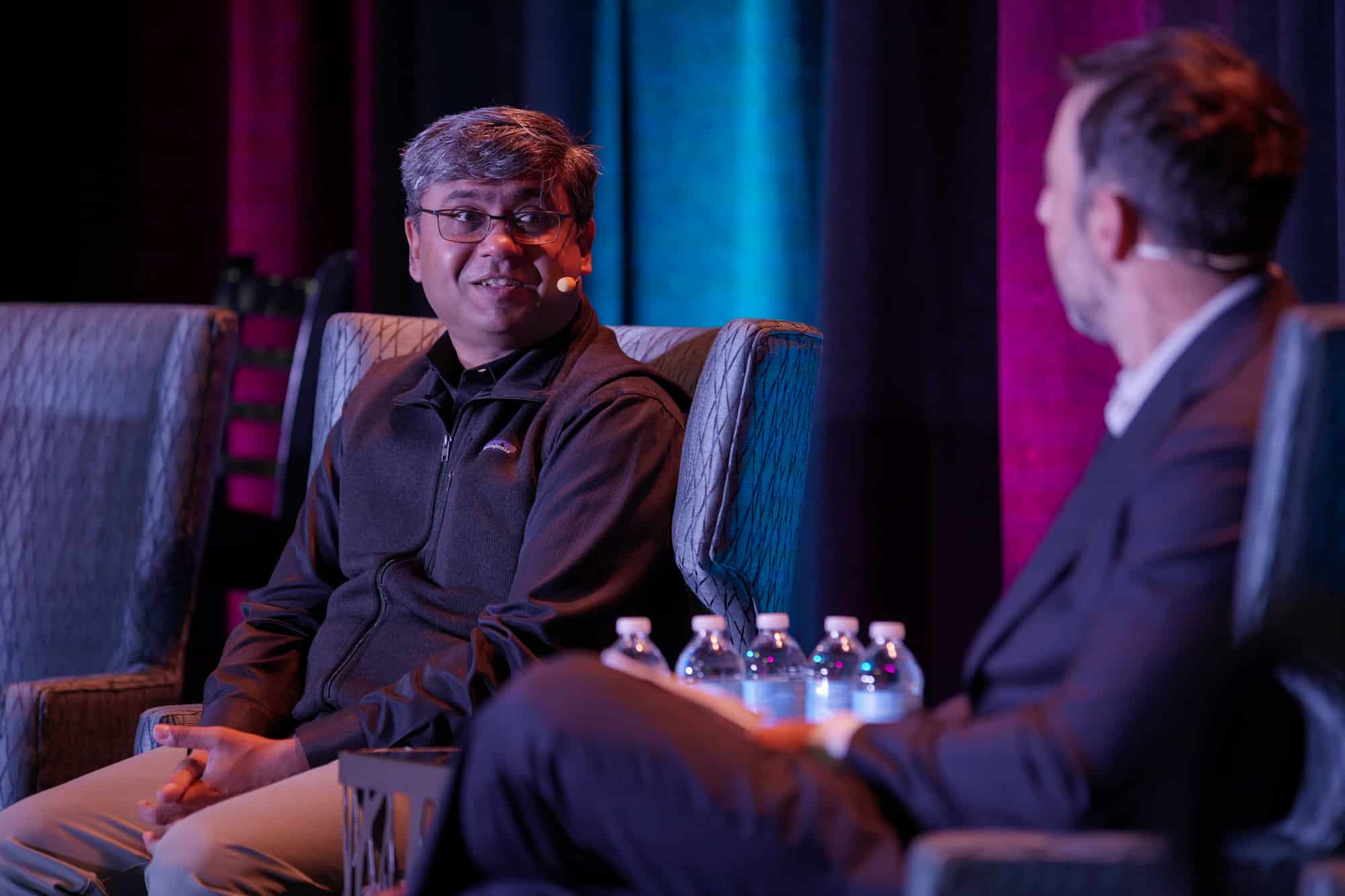
New technologies also offer opportunities to build better systems of care. During Complex care in the age of AI: Reimagining care while preserving connection, Dr. Nigam Shah, Chief Data Scientist at Stanford Health Care, joined Camden Coalition Senior Director of Data & Quality Improvement, Aaron Truchil to explore how artificial intelligence could reduce administrative burdens and improve healthcare delivery.
But Shah cautioned against treating technology as a solution in itself. “I think the caring part needs to be there. Nobody likes to be seen by a kiosk,” he said. He encouraged organizations to start with the problems they are trying to solve, rather than the technology, and raised important questions about whose experiences are reflected in the data used to train AI systems.
Like the conversations about Medicaid and community-based care, the discussion reinforced a central message: New tools and systems must strengthen, rather than replace, the human relationships at the heart of complex care.
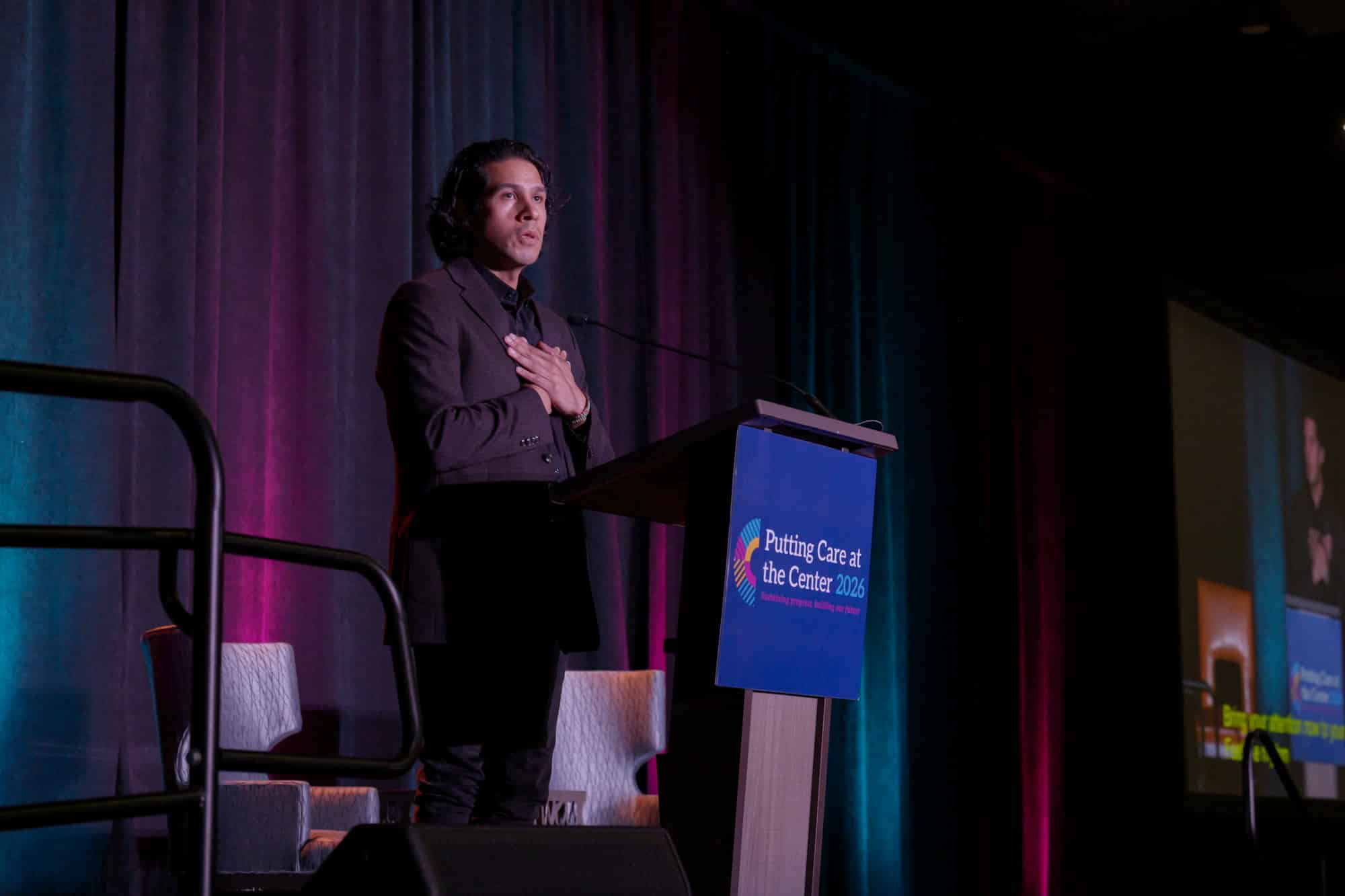
“The paradox [of taking a leap of faith] is that propelling oneself forward requires groundedness. It requires being firmly situated in what matters. Not because it is guaranteed that we will, in fact, get to the place where we aspire to get to when we take that leap of faith, but because we believe it's the right thing to do, no matter what.”
Forward we go
The challenges facing the field are real, but so are the opportunities to shape what comes next. In his closing reflections during the storysharing session, Ortega reminded attendees, “The paradox [of taking a leap of faith] is that propelling oneself forward requires groundedness. It requires being firmly situated in what matters. Not because it is guaranteed that we will, in fact, get to the place where we aspire to get to when we take that leap of faith, but because we believe it’s the right thing to do, no matter what.”
Uncertainty be damned.
Next year
Next September, Putting Care at the Center 2027 will be in Raleigh, NC. Learn more on the conference page and sign up for our newsletter to be the first to hear about presentation opportunities and how to register.