Leveling the playing field: Equipping interdisciplinary substance use teams with skills for whole-person care
Building the complex care field Strengthening ecosystems of care Behavioral health & addiction Education & training
Substance use treatment has historically been siloed from the rest of more traditional healthcare. In recent years, there have been extensive efforts to make this substance use health treatment more available, including measures such as abolishing the X waiver — removing barriers to allow qualified providers to offer substance use treatment — and the adoption of the national Office-Based Addiction Treatment (OBAT) model, a program designed to bring substance use treatment into the outpatient primary care setting. As the field begins to take a more patient-centered, community-engaged approach, the field has become more diverse, bringing in more peer specialists, social workers, and people with lived experience into care teams.
Despite the wealth of knowledge that navigators and peer recovery specialists bring to substance use care, they often have not received formal training on substance use, substance use treatment, harm reduction, stigma, or care planning with people who use drugs. To address this, the Camden Coalition created a free, virtual OBAT Care Team Training to support SUD care teams in New Jersey to ensure that providers and navigators have all of the skills needed to translate their clinical and lived experience into substance use treatment settings.
Understanding the OBAT model
In 2019, New Jersey introduced NJ MATrx, a program based on the national OBAT model. The goal of the OBAT model is to increase access to addiction medicine care by bringing substance use treatment to non-addiction medicine settings, like primary care and other outpatient practices. In New Jersey, the model has two components: a provider who provides medications for addiction treatment (MAT) and a navigator who supports the social determinants that many people with substance use disorders experience, such as transportation barriers, insurance access, and healthcare system navigation literacy. Navigators come from a wide variety of backgrounds — they can be people with lived experience, nurses, medical assistants, and more. The OBAT Care Team Training was developed to close the training gap and ensure that all team members have access to the information they need to provide the highest quality care possible.
Developing the training
We began by thinking about the most essential elements of the OBAT model and providing substance use treatment – understanding role clarity and flexibility, stigma, substance use and recovery, harm reduction, and care planning. These topics became the focus of each of the five courses within the curriculum. We partnered with experienced navigators and people with lived experience to ensure we were focusing on the skills and resources that would be most beneficial to New Jersey’s substance use workforce. The NJ Centers for Excellence, created by the NJ Department of Human Services to increase access to substance use treatment through education and mentorship for SUD providers, reviewed the materials to ensure our information was clinically accurate.
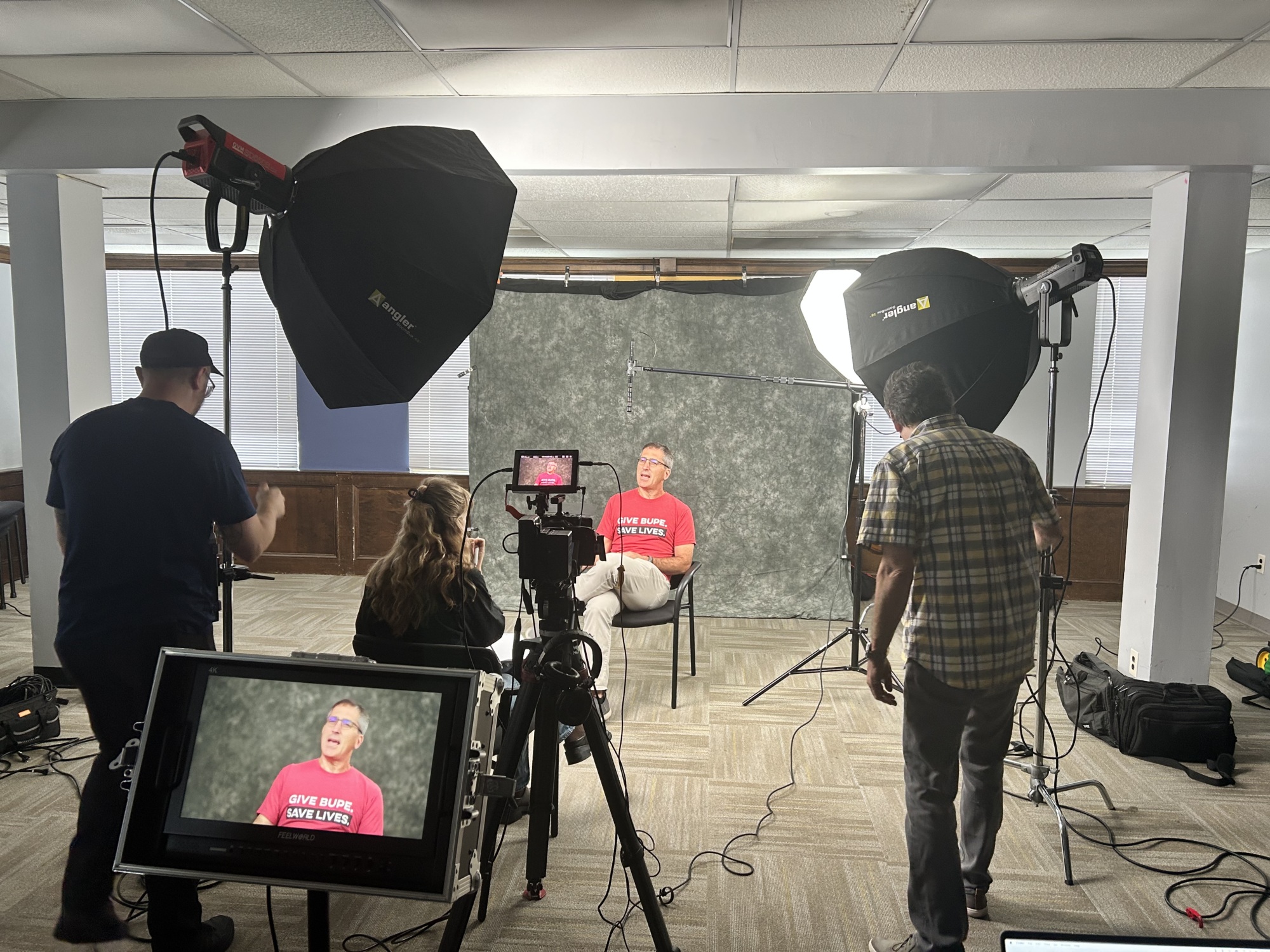
The curriculum leverages the voices of OBAT navigators, prescribers, and people with substance use disorders to provide those working in the substance use field with the tools they need to succeed. We aimed to provide tangible skills and resources for anyone involved in substance use care because we know that everyone – from schedulers, front desk staff, medical assistants, and beyond – play a role in someone’s treatment and recovery.
In the field
Jefferson Health has trained all of its staff at OBAT locations using the OBAT Care Team training. After taking the training, their Director of MAT services said,
The biggest shift was in mindset — we're not here to police or penalize, but to meet patients where they are. When you create space for honest communication, there's nothing left for the patient to hide, and that's where an authentic bond forms, a bond that drives recovery and, just as importantly, serves as an antidote to provider burnout.
Providing people – especially people who have been traditionally missed by formal substance use education – with the tools and resources they need to succeed and take care of themselves was a fundamental goal of developing the OBAT Care Team training. Navigators and peer recovery specialists often have not received any education about harm reduction, stigma, care planning and other practical skills that are essential for supporting individuals on their treatment and recovery journey. We aimed to fix that by developing a training that focused on them.
Course roadmap
Course 1: Introduction to OBAT
This course provides fundamental knowledge of the OBAT model, including role clarity and teaming and collaboration within an OBAT dyad and between clinical and community partners. It also explores authentic healing relationships, which are the foundation of any treating relationship and can support providers and navigators in providing patient-led care.
Course 2: Define and address stigma
This course explores the impacts of stigma and offers practical strategies to address stigma. In this course, you hear from people with lived experience of substance use disorders about how their care was impacted by stigma and what a stigma-free care setting means to them and how it supports their healing and recovery.
Course 3: Guide to substance use and recovery
This course provides navigators and providers with foundational knowledge to understand substance use and medications for addiction treatment. It also explores sobriety, healing, and recovery, emphasizing the difference between these concepts and how you can heal, recover, and explore sobriety independent of each other.
Course 4: Harm Reduction
This course discusses the history and roots of harm reduction, honoring the people who developed harm reduction principles as a survival mechanism for themselves and their community. It offers concrete harm reduction resources and strategies that you can implement within your care, regardless of the system within which you practice.
Course 5: Patient-centered care planning
This course teaches you how to care plan with, not for, people who use drugs by using the Camden Coalition’s COACH model.
More information about the Camden Coalition’s work in this area can be found on our website. For specific questions about our training or to talk about customized training options for your New Jersey SUD Care team, contact [email protected].